
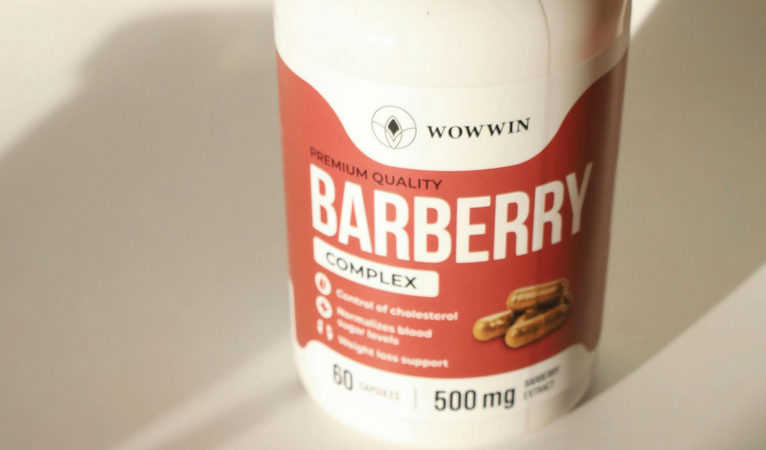
Walking into a supplement store is like walking into a mini pharmacy disguised as a smoothie bar. Protein tubs stacked to the ceiling. Shiny labels shouting miracle benefits. It’s a maze. And if you’re new to this game, it’s easy to pick based on hype, not on need. That’s why you should have a beginner’s guide to picking supplements before you swipe your card.
Look at Your Habits Before You Look at a Bottle
Supplements are meant to support. Not substitute. Before grabbing anything off a shelf, pause and assess your daily habits. How’s your sleep? Are you eating three meals a day? Hydrating? Moving your body? If those pieces are all over the place, a supplement won’t fix the gaps. Think of them like seasoning. If the main dish is missing, the sprinkle won’t help much. So before jumping into a multivitamin or fancy powder, get your foundation settled.
Be Skeptical of Loud Promises
“Explosive energy.” “Shredded in 30 days.” “Rebuild your gut in a week.” These slogans do more for marketing than your metabolism. The bigger the promise, the harder you should look at the label. Check the actual dose. Some supplements list ingredients that look impressive until you see it’s less than what your body even recognizes as effective. Also, keep an eye on the other stuff, additives, dyes, sweeteners. Some “health” products come with a side of unnecessary junk. You don’t need a flash. You need function.
Understand the Timing and Combinations

Not all supplements play nice together. Some clash. Others block absorption. A few work better at night. And then there are ones that want a full meal with them to even work. For example, taking iron and calcium together is like having two people fight for the same door. One’s not getting in. Your timing matters. So does spacing things out. And don’t fall into the trap of taking everything in the morning “just to get it over with.” That shortcut sometimes leads to nausea or poor absorption.
Talk to a Human, Not Just a Hashtag
Instagram fitness influencers may mean well. But their stack of ten pills might be based on sponsorship, not science. Better to talk to someone actually qualified. A doctor. A sports dietitian. A knowledgeable coach. Someone who’ll ask the right questions before throwing advice at you. Better yet, get blood work done. It sounds clinical, but it tells the truth. No guesswork. Just data. From there, you’re building something that fits you, not some stranger’s routine.
Start Simple, Watch, and Adjust

Start small. Try one or two things based on clear reasoning. Give it a few weeks. Track how you feel, sleep, perform, and recover. Keep an eye on energy levels or changes in appetite. Your body will tell you if something’s working, or not. You just have to be listening.
Don’t build a shelf full of supplements. Build a routine that works, then fine-tune it slowly. You’re not late. You’re building something better. In the end, supplements should be tools, not trophies. They don’t prove how serious you are. They just help you fill gaps you’ve already earned by showing up and doing the work. That’s the part worth investing in.…

 Lack of essential vitamins and minerals can make your pet look bored and fragile and cause neurological problems. Young dogs depend on their mother’s milk to meet all their nutritional needs. If they are weaned too early, dogs can easily create a vitamin deficiency that could weaken them. Puppy Liquid is a milk replacer that provides all the vitamins and supplements a puppy needs to become a healthy adult dog. Combined with daily vitamins and supplements or modern dietary supplements, it will significantly improve your pet’s chances of a long and healthy life.